
Old City, Rittenhouse or University City? Choose the Philadelphia base that fits your trip
Compare Old City, Rittenhouse and University City for historic sights, dining, SEPTA, campuses and 30th Street Station.
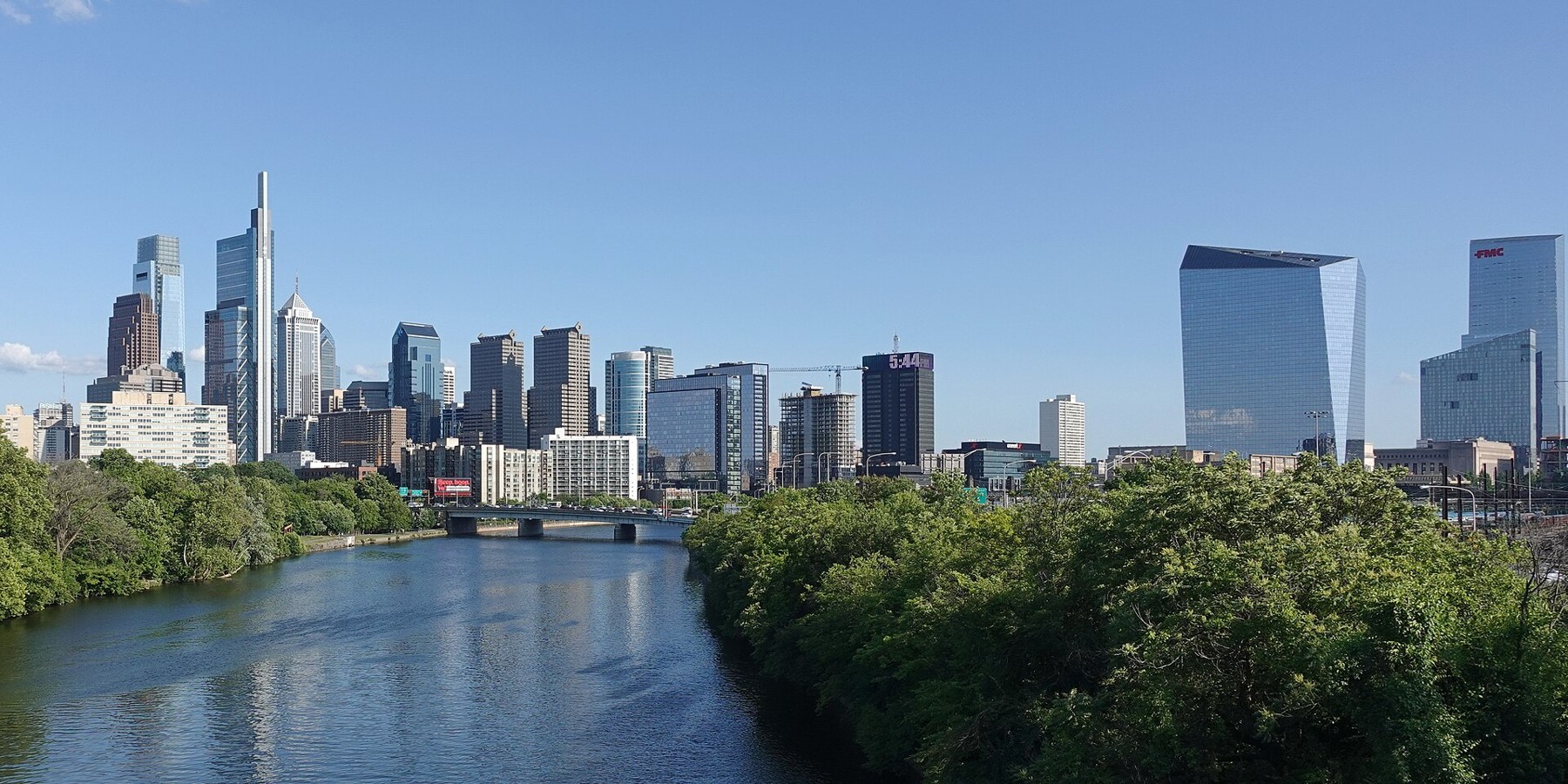
Rittenhouse is the strongest all-round choice for a first visit with a mixed itinerary. Choose Old City when early-American history is the focus. Choose University City for Penn, Drexel, nearby medical appointments—or, if you book near 30th Street, convenient Amtrak access.
The three areas occupy different parts of the city. Old City is at the eastern end of central Philadelphia, Rittenhouse is farther west in Center City, and University City is across the Schuylkill River in West Philadelphia. The best base is the one that reduces travel to the places where most of your days begin and end.
The quick comparison
| Stay in | Best for | What is close | Main tradeoff |
|---|---|---|---|
| Old City | A short, history-focused visit | Independence Hall, Liberty Bell Center, Museum of the American Revolution, National Constitution Center, Elfreth’s Alley and the Delaware riverfront | Less convenient for Rittenhouse, the Parkway museums and University City |
| Rittenhouse | A mixed first-time itinerary; restaurants and evenings near the hotel | Rittenhouse Square, Walnut and Chestnut streets, western Center City and the Schuylkill | Historic sights remain east; no L station at the square itself |
| University City | Penn or Drexel visits, medical appointments and West Philadelphia plans | 30th Street Station, the campuses, Penn Museum and ICA Philadelphia | Most traditional Center City and Old City sightseeing is across the river |
Old City: choose it for historic Philadelphia
Old City makes the strongest case when a trip revolves around Independence National Historical Park. The National Park Service operates Independence Hall and other sites in the area and publishes current park hours, tours and activities on its visitor-planning page. Old City District’s directory places the Museum of the American Revolution, National Constitution Center, Weitzman National Museum of American Jewish History, Betsy Ross House and Elfreth’s Alley Museum in the same part of the city (Old City District).
That concentration is valuable on a two- or three-night history trip. A hotel nearby makes it easier to start at the park, return for a break and continue without crossing Center City. Old City also has a broad selection of places to eat, as the district’s dining directory shows, so choosing it does not mean staying in a museum-only zone.
Check the exact hotel block before booking. A room close to restaurants and bars may suit an evening-oriented trip but not a light sleeper. Ask the hotel whether the room faces a busy street, a side street or the interior of the building.
For trips farther west, SEPTA’s L, the new name for the Market–Frankford Line, stops at 2nd Street and 5th Street/Independence Hall. It continues through Center City to Drexel Station at 30th Street, 34th Street and 40th Street (SEPTA L map). Old City is therefore well connected, but it sits at one end of the central visitor area; repeated trips to Rittenhouse or University City mean more backtracking.
Choose Old City if: Independence Hall and the surrounding museums will occupy at least a full day of a short trip.
Look elsewhere if: your plans are evenly divided among Old City, the Benjamin Franklin Parkway, Rittenhouse and University City.
Rittenhouse: the best compromise for a mixed itinerary
Rittenhouse is the most balanced default because it places a visitor in western Center City rather than at the eastern or western end of the comparison. Old City lies east, 30th Street Station and University City lie west, and the Parkway museum district is north. None is immediately outside every Rittenhouse hotel, but the area avoids committing the whole trip to one edge of the city center.
The setting is part of the appeal. Philadelphia’s historic-district record describes the wider Rittenhouse/Fitler area as a primarily residential district with rowhouses, tall 20th-century apartment buildings, churches, shops and restaurants (Philadelphia Historical Commission). For a visitor, that makes it possible to combine sightseeing with a park, dinner and an evening near the hotel rather than treating every outing as another attraction transfer.
Transit depends on the hotel’s exact address. Rittenhouse Square does not have an L station at the park. From different parts of the neighborhood, visitors may walk east to 15th Street/City Hall, use a T trolley station at 19th Street or 22nd Street, or take a bus. SEPTA’s T map shows the underground Center City trolley stations and service through Drexel Station into University City.
Rittenhouse is not uniformly quiet. Walnut and Chestnut are commercial streets, while blocks south and west of the square are more residential in form. Room position can matter as much as the neighborhood name, so ask about street exposure if noise is a concern.
Choose Rittenhouse if: no single attraction defines the trip and you want the best compromise among location, dining and evening convenience.
Look elsewhere if: you want to begin each morning in the historic district or need to be close to Penn, Drexel or an early train.
University City: choose it for campuses and West Philadelphia
University City is the practical choice when the trip revolves around the University of Pennsylvania, Drexel University or nearby medical and research institutions. It is not solely a campus district: University City District’s neighborhood guide covers dining, parks, arts and events. ICA Philadelphia, for example, is at 118 South 36th Street and has free admission (ICA Philadelphia).
Its clearest transport advantage is William H. Gray III 30th Street Station. Amtrak identifies the station at 2955 Market Street as an intermodal center served by Acela, Northeast Regional, Keystone Service and the Pennsylvanian (Amtrak). A hotel near 30th to 36th streets can be particularly convenient for a train arrival or departure. A property near 40th Street does not offer the same station access, so “University City” alone is not precise enough when comparing hotels.
SEPTA access is strong along Market Street. The L serves Drexel Station, 34th Street and 40th Street, while T trolleys travel under Center City before branching through West Philadelphia. For some local institutional trips, the LUCY bus links 30th Street Station with University City stops. It is not a universal hotel shuttle: University City District says it operates from 6 a.m. to 9 p.m. Monday through Friday, excluding major holidays. Penn students and employees of specified institutions ride free; other passengers use regular SEPTA payment methods (University City District).
The compromise is simple: Independence Hall, Old City and many familiar Center City stops lie east of the river. The L provides a direct trip from the Market Street corridor, but returning to a University City hotel between eastern attractions is less convenient than staying downtown.
Choose University City if: your fixed appointments are west of the Schuylkill, you find a hotel close to 30th Street Station for a train trip, or you prefer a West Philadelphia base.
Look elsewhere if: this is a short visit devoted mainly to Independence National Historical Park and central Philadelphia.
How to choose the actual hotel
After choosing an area, compare addresses rather than marketing labels.
- Pin the cross streets. “Rittenhouse,” “historic district” and “University City” can describe properties with meaningfully different walks.
- Check the useful station entrance—not only the station name. SEPTA began using its new Metro terminology in 2025, but old and new signs will coexist during the rollout. Travelers may see both L and “Market–Frankford Line,” or T and “subway-surface trolley” (SEPTA).
- Verify step-free access for the exact route. SEPTA’s L map flags no elevator access to the B line at 15th Street/City Hall; check current elevator status and the exact transfer. Do not assume every entrance in a station complex provides the same access.
- Choose around two anchor places. If both are east of City Hall, favor Old City. If they are spread across central Philadelphia, favor Rittenhouse. If the main destination is Penn, Drexel or another University City institution, favor University City.
- Compare the complete price for the same dates. Include taxes, mandatory property fees, breakfast and parking rather than assuming one neighborhood is always cheaper.
- Ask about the room’s exposure. A street-facing room near nightlife, deliveries or heavy traffic can feel different from a rear room in the same hotel.
For visitors who remain evenly split after that check, Rittenhouse is the most flexible default. Old City and University City become stronger choices when the itinerary gives either one a clear geographic advantage.